
1 – Problem Context
The video platform Vine, founded in 2012 and launched in 2013, introduced a new social media format where users could create, share, and consume six-second videos. It was labelled as “the next big thing” and was therefore acquired by Twitter for 30 million dollars even before its official launch. The platforms’ main goal was to bring mobile video sharing to the mainstream.
However, the goal was primarily defined from a technology- and business-driven perspective, rather than a user-centered one. Twitter aimed to increase engagement within its ecosystem, instead of deeply understanding how user behaviour around video content might evolve over time.
After launch, Vine experienced a short peak in popularity and even became the most popular free App on iOS and Android. It was a unique idea in 2013 and build the foundation for many of todays and pasts most popular Apps in this Area, such Musical.ly Instagram and TikTok.
Over time, however, Vine lost many of its users and creators to competing platforms like YouTube and Instagram. Due to the growing popularity of these platforms and different technological and organizational problems that are discussed in this blog post Vine shut down in 2017 with many of its influencers moving to different platforms like YouTube and Instagram. Some of Vines Influencers that are now one of the most popular on other platforms were Shawn Mendes, Jake and Logan Paul and Cameron Dallas.
2 – Stakeholder & User Analysis
Intended Users vs. Actual Users
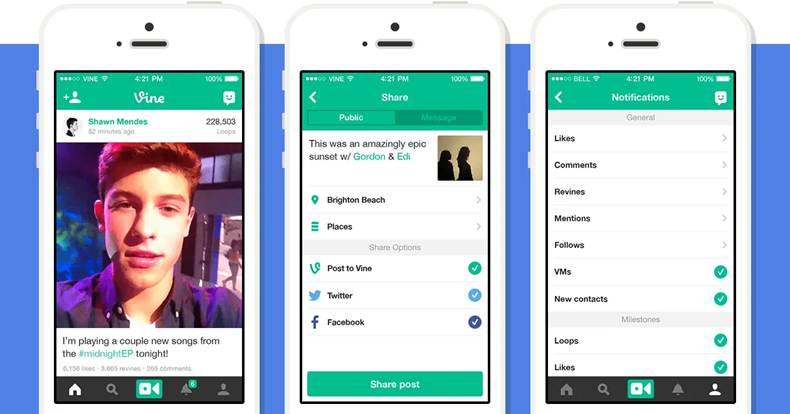
Vines Intended users were General social media users seeking quick entertainment within their own social circle. The actual users quickly evolved into a highly creative, young community of content creators who used the platform primarily as an entertainment and expression medium.
Vine became a hub for early influencers, but the platform failed to actively support and keep them to the platform.
Overlooked Stakeholders
Overlooked stakeholders included those new emerging content creators. There were no monetization options available, which made the platform unattractive for long-term professional use. In addition, advertisers, brands, and potential platform partners did not have enough opportunities to promote products or services effectively.
Conflicting needs
Vine was not able to balance the needs of these differing user groups. While casual users were primarily looking for entertainment and creativity, creators needed visibility, recognition, and income. Vine did not see these evolving needs coming and therefore failed to align with them over time.
3 – Design Thinking Breakdown
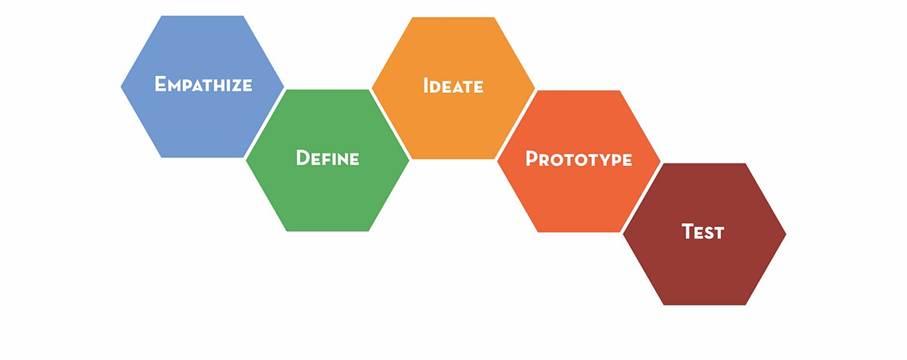
In the following it is described how Vine used the different phases of the Design Thinking process to show what potentially went wrong.
Empathize
In the Empathize phase, Vine demonstrated only a limited understanding of the needs and motivations of content creators. The main focus was placed on consumers, meaning users who primarily watch content, while the producers of content were largely overlooked. Overall, this phase appears to have been executed too quickly or without enough depth, resulting in the exclusion of important stakeholders and a lack of consideration for the platform’s future ecosystem development.
Define
In the Define phase, Vine also struggled to continuously redefine user needs as the platform evolved. While the original concept of Vine was clear and highly innovative, it lacked ongoing adaptation to changing user behaviour and the dynamics of network effects. As a result, the problem definition remained relatively static, even though the surrounding environment including competitors was changing very fast.
Ideate
During the Ideate phase, the platform showed a similar lack of flexibility. Vine remained strongly attached to its original concept, especially the strict six-second video constraint. There was little exploration of alternative ideas such as longer video formats, monetization strategies, improved discovery algorithms, or community-building features that could have strengthened the platform in the long term.
Prototype & Test
The Prototype and Test phases were also not used in a sufficiently iterative way. Vine did not treat the platform as a continuously evolving prototype but rather as a finished product with only limited adjustments over time. User feedback was not systematically collected or translated into meaningful feature development. In particular, there were very few experiments with alternative content formats beyond the six-second limit.
Vine showed limited ability to properly validate new ideas and learn from them. There was no strong feedback loop connecting testing results back to earlier phases such as redefining user needs or generating new ideas. This lack of iteration significantly reduced the platform’s ability to adapt and improve over time.
4 – Root Causes of Failure
Organizational and Cultural:
One of the main reasons for failure was the lack of monetarization options for content creators. This stakeholder group was largely overlooked, even though it later became central to the platform’s ecosystem.
Twitter as Vines parent company never developed a real monetarization strategy. Negotiations with Vines biggest creators did not work out.
Vine worked well as a tool to build an audience but poorly as a tool to monetize it. As a result, successful creators quickly migrated to other platforms where income generation was possible.
In Addition, Vine was Not Twitters main strategic focus. This may have been the reason for missing out on continuous Design Thinking Iteration and the development of new ideas to adapt to user needs.
Technological
From a technological perspective, Vine had a very limited feature set. The platform was strictly restricted to six-second videos instead of allowing more flexible formats, such as longer videos or mixed content types.
Competitors like Instagram quickly expanded their feature sets and allowed different content formats, which made them more attractive to creators and users. This increased competition ultimately contributed to Vine’s decline.
5 – Redesign Proposal
Design Thinking as an Iterative process
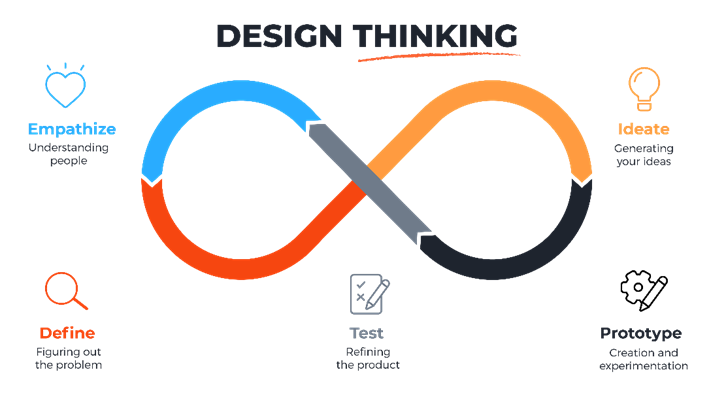
The main problem of Vines Design Thinking Process was the failure of adaption to changes on their platform. New arising stakeholders and changing needs. Therefore, the Process must have been more iterative.
Empathize:
In the Empathize phase, it is important to include all users and customers that are relevant for the platform’s success and to continuously revisit user understanding. The user base should be analysed from different perspectives, including consumers, creators, and advertisers or brands.
Define
In the Define phase, similar to the empathize step, it is essential not to treat user needs as static. Instead, changing or newly emerging needs of different customer groups should be continuously redefined over time.
Ideate
In the Ideate phase, a stronger focus on generating a larger variety of ideas and increasing flexibility in thinking would have been necessary. Especially alternative approaches beyond the original concept should have been explored more actively. It is better seeing new ideas fail than failing the whole platform because not trying them.
Prototype
In the Prototype phase, Vine should have treated the platform more as an evolving system rather than a fixed product. Continuous experimentation with new features and formats would have been important.
Test
In the Test phase, testing would have been the most crucial element for Vine. Ideally, there should have been a continuous iteration loop between testing results and earlier phases such as empathizing and redefining user needs.
6 – Lessons Learned
What future teams should do differently is recognize that Design Thinking is never a finished process. A key takeaway from Vine’s failure is that Design Thinking must be iterative in order to adapt to platform changes, evolving users, and changing needs of different user groups. This continuous iteration helps organizations keep up with competition and ensures that they can respond quickly to changing demands in order to retain customer groups.
It is essential to constantly observe how both the market and customers evolve and to adjust strategies accordingly.